
What Happens When You Stop? A Compassionate Look at Life after Weight Loss Injections
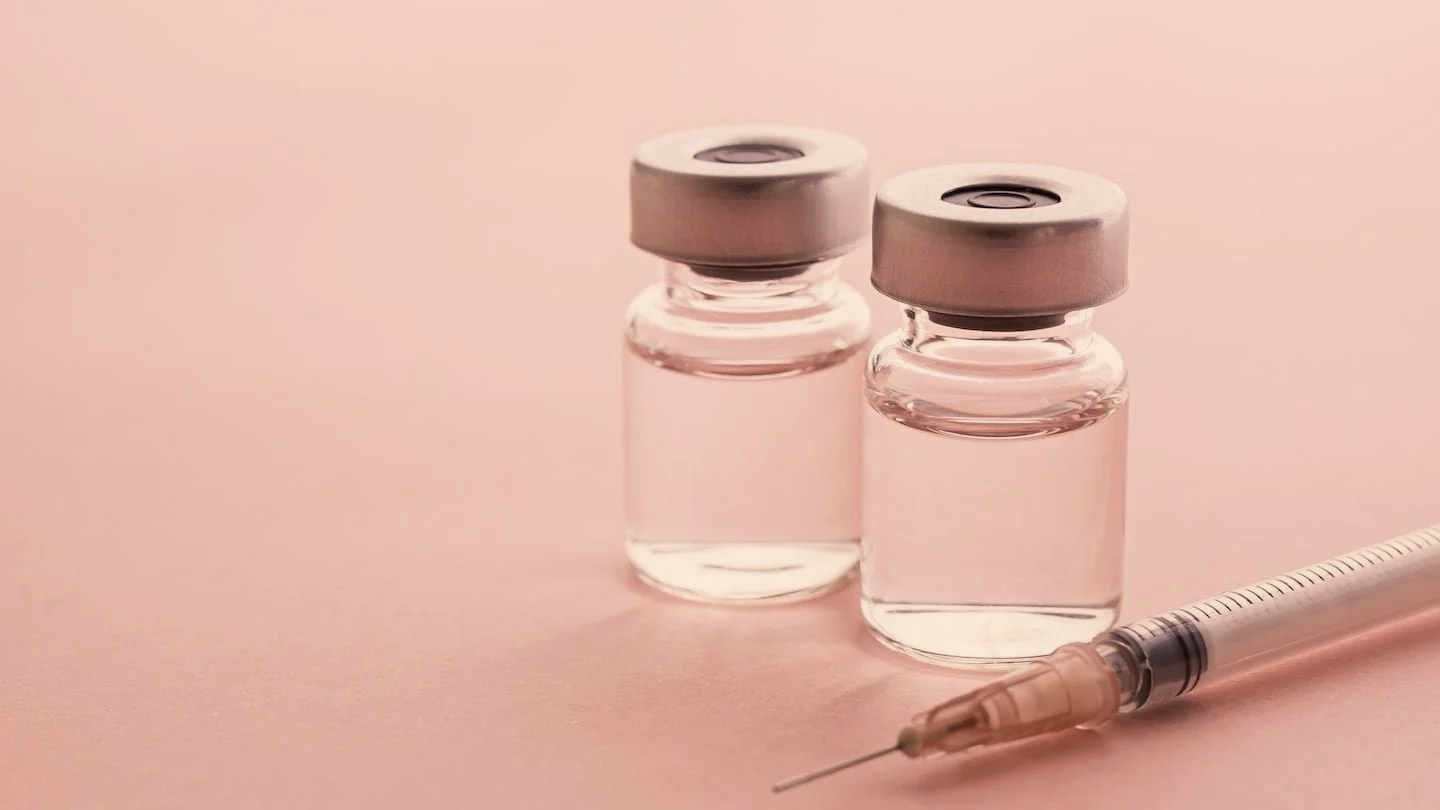
Weight loss injections like Ozempic and Wegovy have soared in popularity in recent years, often framed as a breakthrough for those struggling with weight and health. For some, these medications have felt like a lifeline - especially those who have years of feeling stuck, judged or unsupported. I understand the desperation that can come from struggling with food or body image, and the hope that medications might finally bring relief.
But what happens if and when you stop taking them - what next?
This blog isn’t about passing judgment. I fully respect personal autonomy and the many factors that influence people’s decisions about weight and health, and I don’t see the choice to take them as right or wrong. My aim with this blog is to bring attention to the bigger, longer-term picture, raise awareness of the challenges around coming off these medications, and explore how else you can support yourself in sustainable and compassionate ways.
How Weight Loss Injections WorK
Most weight loss injections belong to a class of drugs called GLP-1 receptor agonists.
This means these medications mimic the GLP-1 hormone which plays a key role in regulating, appetite, digestion and blood sugar levels. By activating these receptors, the drugs suppress appetite making it easier to eat less and reducing cravings, and slow gastric emptying leading to prolonged feelings of fullness.
Originally developed for the management of Type 2 Diabetes (e.g. brands: Ozempic, Mounjaro), they proved very effective for this, and they were later approved for obesity ‘treatment’ (e.g. brands: Wegovy, Saxenda).
In the UK, NHS prescriptions are limited to those meeting certain medical criteria (BMI over 35 with ‘weight-related health conditions’), and prescriptions are typically capped at two years.
However, as they have emerged as a health-transformative medication, the noise around their capacity to influence body weight has also risen rapidly, and they have become increasingly available via private pharmacies and online providers, often at significant personal cost.
THE RISE IN POPULARITY AND INCREASING RISKS
The increasing availability and popularity of weight-loss injections means they are often seen as a short-term weight loss tool, despite being designed for long-term use in medical conditions, and this may carry with it significant individual and wider risks:
Some people obtain them online without medical evaluation or supervision, increasing the risk of acute complications and troubling side effects.
They are regularly being used off-label by people who do not meet medical criteria for obesity treatment.
People with disordered eating may also access them, with a serious potential risk of worsening their relationship with food.
Weight loss injections have become part of a growing cultural obsession with both appearance and weight.
In the rush to pursue weight loss, it seems that short- and long-term side-effects may be being too readily brushed aside. Whilst I am not a medical professional, I would strongly encourage anyone considering these medications to explore the potential risks and side effects as part of their decision-making process.
It’s also worth taking time to understand how the medications work, so you can take supportive steps alongside them, especially when it comes to nutrition, digestion and overall wellbeing. Common side effects include nausea, constipation, diarrhoea, reflux and reduced appetite - all of which can interfere with nutritional intake and digestive function. For some, this can lead to unintentional malnutrition, low energy and changes in gut health.
Importantly, rapid weight loss can also result in loss of lean muscle mass, not just body fat. This matters because muscle plays a key role in metabolism, blood sugar regulation, strength and resilience as we age. Without enough protein, energy or resistance-based movement, the body may start to break down muscle as part of the weight loss process.
Being informed means you can take steps to protect your health while on the medication - whether that is adjusting how and when you eat, monitoring for signs of undernourishment or working with a nutrition professional to ensure you are still meeting your body’s needs.
What Happens When You Stop Taking Weight Loss Injections?
Returning to the main question of this blog - What happens when you stop taking weight loss injections? What happens when people paying privately can no longer afford them, or when they no longer qualify? What happens when people can’t tolerate the medications or come off them at their own will?
There is already substantial evidence suggesting weight regain is common, sometimes even surpassing pre-treatment levels. Studies suggest that about two-thirds of the weight lost during treatment is regained within the first year after stopping. A large-scale study involving over 20,000 patients on semaglutide found that 18% returned to their starting weight within a year, while over 50% experienced some degree of weight regain. They also lost the positive cardiovascular effects they benefited from whilst taking the medications.
In recent data, roughly one‑third of people maintained their weight loss six months after stopping, about one‑third stayed relatively stable, and about one‑third regained their weight.
So whilst users may be hopeful of sustained weight after discontinuation, this may not be realistic for many. However, it is really important to acknowledge that if this happens, it is not a personal failure - the body’s biology and appetite regulation systems tend to revert once the medication’s effects wear off.
Let’s explore what happens:
Appetite and food noise often return
GLP-1 receptor agonists override your body's natural hunger and fullness signals. When you stop taking them, your body will try to re-establish balance by increasing appetite.
This can lead to:
Increased hunger and stronger cravings
A tendency to eat larger portions
A rebound effect that leads to binge eating
Many people experience relief when taking GLP-1 medications because food no longer dominates their thoughts. But stopping can bring back food preoccupation, perhaps even more agressively.
2. Metabolic adjustments can make it harder to maintain weight loss
When weight loss happens rapidly, the body fights to restore balance through a process called metabolic compensation. Essentially a survival response, this means that after stopping weight loss injections, the body may:
Burns fewer calories at rest (lower basal metabolic rate)
Increase fat storage capacity (to ‘protect against future weight loss)
Intensify hunger cues (to replenish lost weight)
This all suggests that these medications function a bit like a weight-loss diet - a temporary fix. Because they suppress natural hunger cues without addressing the underlying reasons behind eating habits, stopping them often results in rebound weight gain.
Understandably, this can all be deeply disheartening - physically, emotionally and mentally - which is why self-compassion is so important. It is not that your body is betraying you - it is simply re-adjusting.
Is long-term weight MAINTENANCE possible?
Right now, long-term research on what happens to weight after stopping GLP-1 medications is still developing. While studies indicate that many people regain weight after discontinuing these medications, the long-term trajectory beyond the first few years remains unclear.
However, it is also important to remember that bodies naturally change over time. Weight control is not a fixed formula - our body size, composition and metabolic needs do shift throughout life, meaning that fluctuations are normal.
Some research suggests that of those people who did manage to sustain weight loss after stopping GLP-1 medications, most developed sustainable habits whilst on them, such as:
Addressing emotional eating and food-related behaviours
Shifting their mindset around food and weight
Incorporating regular physical activity
One study found that more than half of participants maintained at least some of their weight loss, suggesting that lifestyle factors play a crucial role in long-term weight management.
This all again highlights an important reality: weight loss injections only really ‘work’ while they are being taken. Once discontinued, weight regain is likely whether that be quickly or overtime - unless other factors influencing body weight and eating behaviour can be addressed. However, even then, I would argue that based on what we know about the complex interplay of biology, emotions, habits and environment that affect body weight at any given time, there are no guarantees.
However, if minimising rebound weight gain is a goal after stopping these medications, it is essential to consider these broader influences and commit to some sustainable strategies that support longer-term wellbeing.
TAKING A SUSTAINABLE APPROACH
Weight loss injections could be a stepping stone towards a smaller body for some people, but they are not likely to be permanent fix. Instead of relying solely on them, a more sustainable approach could include:
Focusing on supporting on your whole health, not just weight - for example, energy, digestion and mood all matter.
Understanding your body’s natural appetite signals and learning to work ‘with’ your body.
Building a sustainable, trusting relationship with food, rather than fearing it.
Exploring and addressing any emotional eating or binge eating patterns.
Learning to respect and care for your body, whatever its shape or size.
MY CONCLUSIONS
I hope I have provided compassionate, evidence-informed information to help you think about what long-term care might look like if you are using, or considering stopping, weight loss injections. It is a complex decision - perhaps more so than it seems on the surface.
If you have taken them, or are considering them, it is ok to ask yourself: What’s next?
What happens when the prescription ends?
What support do I have in place?
How can I work towards long-term peace with food and my body?
Weight loss injections appear to offer a short-term ‘solution’, but if weight regain happens if and when they are stopped, this is not a failing of the individual - it is simply how the body works.
Importantly, this type of medication is not able to address the deeper struggles in their relationships people with food and their body that may have lead some people to using them. Real peace around food and your body ultimately come from building self-trust, sustainable habits and compassionate care.
If you are exploring your options, please know you don’t have to do it alone and support beyond weight-loss injections is available.
Key Research Sources
Wilding, J. P. H., Batterham, R. L., Calanna, S., Davies, M., Van Gaal, L. F., Lingvay, I., ... & le Roux, C. W. (2021). Once-weekly semaglutide in adults with overweight or obesity. New England Journal of Medicine, 384(11), 989-1002.
Kushner, R. F., Calanna, S., Davies, M., Dicker, D., Garvey, W. T., Goldman, B., ... & Rubino, D. M. (2020). Semaglutide 2.4 mg for the treatment of obesity: Key elements of the STEP trials. Obesity (Silver Spring), 28(6), 1050-1061.
Wadden, T. A., Bailey, T. S., Billings, L. K., Davies, M., Frias, J. P., Koroleva, A., ... & Rubino, D. M. (2021). Effect of subcutaneous semaglutide vs placebo as an adjunct to intensive behavioral therapy on body weight in adults with overweight or obesity: The STEP 3 randomized clinical trial. JAMA, 325(14), 1403-1413.
Rubino, D., Abrahamsson, N., Davies, M., Hesse, D., Greenway, F. L., Jensen, C., ... & Wilding, J. P. H. (2021). Effect of continued weekly subcutaneous semaglutide vs placebo on weight loss maintenance in adults with overweight or obesity: The STEP 4 randomized clinical trial. JAMA, 325(14), 1414-1425.
Davies, M., Færch, L., Jeppesen, O. K., Pakseresht, A., Pedersen, S. D., Perreault, L., ... & Rosenstock, J. (2021). Semaglutide 2.4 mg once a week in adults with overweight or obesity, and type 2 diabetes (STEP 2): a randomised, double-blind, double-dummy, placebo-controlled, phase 3 trial. The Lancet, 397(10278), 971-984.
Take a nourishing step forward today
If this resonated with you, you don't have to navigate this alone. I offer nutritional therapy and behaviour change support for binge eating disorder, emotional eating, disordered eating and yo-yo dieting patterns, and I'd love to help you find your way back to more ease and trust with food.
Explore my support options or book a confidential, no-obligation enquiry call to see if working together feels right.